Title:
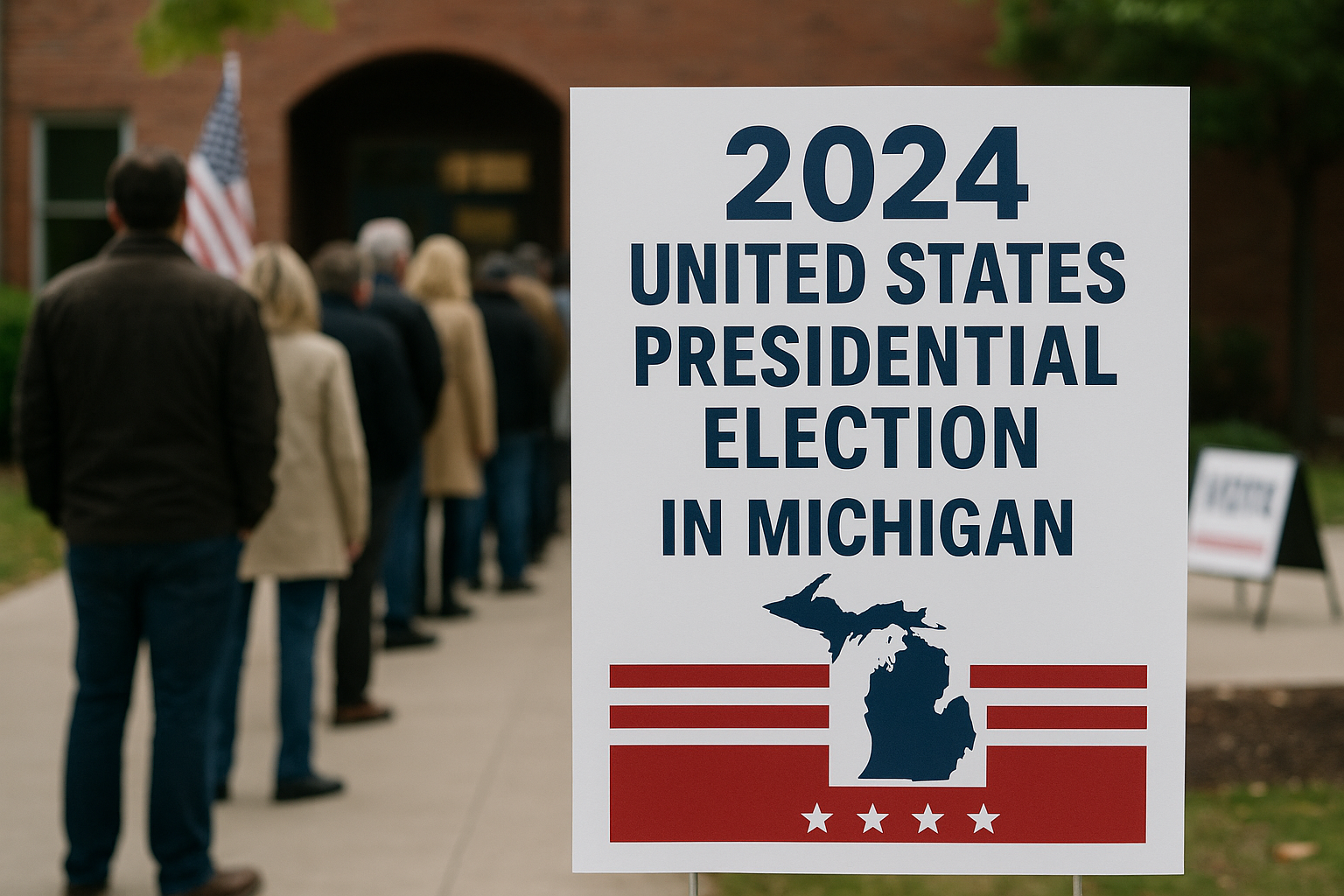
2024 United States Presidential Election in Michigan: Key Insights, Voter Impact & Forecasts
Introduction
As the 2024 United States presidential election approaches, the state of Michigan is once again taking center stage. Known for its political volatility, Michigan remains one of the most influential swing states in the U.S. With both major parties vying for victory, Michigan’s role in the 2024 election could very well determine who wins the White House.
This article explores everything you need to know about the 2024 United States presidential election in Michigan, including the latest updates, voter concerns, party strategies, and what makes Michigan such a critical battleground.
Why Michigan Matters in 2024
Michigan carries 15 electoral votes, making it a prime target for both Democrats and Republicans. The state has a recent history of flipping between parties:
-
In 2016, Donald Trump narrowly won Michigan by just 10,704 votes.
-
In 2020, Joe Biden reclaimed the state with a margin of over 150,000 votes.
This makes it one of the most unpredictable—and valuable—states in presidential politics. As the 2024 race tightens, expect to see an influx of campaign ads, rallies, and outreach aimed directly at Michiganders.
Key Issues Driving Voter Decisions in Michigan
Michigan voters are deeply influenced by a mix of economic, social, and environmental concerns. Here are the top issues likely to sway the 2024 election outcome:
-
Economic Recovery & Jobs
-
The auto industry and manufacturing jobs remain at the heart of Michigan’s economy.
-
Candidates are proposing competing plans to boost American-made manufacturing and bring high-paying jobs back to the state.
-
-
Healthcare Access
-
Rising costs and hospital closures in rural Michigan are hot-button topics.
-
Voters are watching for real solutions to expand Medicaid and reduce prescription prices.
-
-
Water Quality & Environment
-
From the Flint water crisis to PFAS contamination, clean drinking water remains a critical issue.
-
Climate change legislation and green energy job promises are also gaining traction.
-
-
Abortion Rights
-
Since the overturning of Roe v. Wade, abortion access has become a major point of contention, especially in suburban areas.
-
-
Gun Control vs. Second Amendment
-
With rising gun violence, especially in urban Detroit, many voters are asking for stronger gun safety laws—while rural areas demand the protection of gun rights.
-
Voter Demographics and Turnout Projections
Michigan’s voting population is incredibly diverse. Here’s a breakdown of key voting blocs that will influence the 2024 presidential election in the state:
-
Urban voters (Detroit, Grand Rapids): Largely Democratic-leaning.
-
Rural voters: Tend to vote Republican.
-
Suburban women: A swing demographic watching issues like education, inflation, and reproductive rights.
-
Young voters: Energized by climate action and student debt relief promises.
-
Black voters: A reliable Democratic bloc, though turnout will be key in areas like Detroit and Flint.
In 2020, Michigan saw a record-breaking turnout. Early indicators suggest that 2024 may see similar, if not greater, voter engagement, driven by both enthusiasm and concern over the future of democracy.
Candidate Strategies and Campaign Efforts in Michigan
Both parties have ramped up their ground game and digital outreach in Michigan:
Democratic Strategy:
-
Joe Biden’s team is leaning heavily on union support, green energy jobs, and protecting reproductive rights.
-
High-profile endorsements and grassroots fundraising efforts are already underway.
-
Democrats are also emphasizing voting rights and safeguarding democratic institutions.
Republican Strategy:
-
Donald Trump, Ron DeSantis, and other potential GOP candidates have already held rallies in the state.
-
Republicans are targeting working-class, rural, and religious voters, focusing on inflation, energy independence, and border control.
-
A push to expand absentee ballot security and reduce early voting is part of the GOP’s local agenda.
How to Get Involved in Michigan’s 2024 Election
If you live in Michigan or simply want to support a campaign, there are several ways to get involved:
-
Register to vote or confirm your registration through Michigan’s official voter portal.
-
Volunteer for voter registration drives or political campaigns.
-
Donate to candidates or trusted platforms like ActBlue, a secure online fundraising platform for Democratic causes.
-
Attend town halls, rallies, or public forums to engage with local and national candidates.
Every vote will matter in this high-stakes election, especially in a battleground state like Michigan.
Prediction Models & Polling Trends
While it’s too early for definitive predictions, recent polls in Michigan show a razor-thin margin between the leading Democratic and Republican candidates. Here’s what analysts are saying:
-
FiveThirtyEight and RealClearPolitics show fluctuating leads, with no clear frontrunner as of mid-2024.
-
Third-party candidates could siphon votes from either side, making turnout and independent voters critical.
-
Local races—like Michigan’s Senate and gubernatorial elections—will also influence presidential voter turnout.
Election prediction models suggest that Michigan could be one of the “tipping-point states”, meaning the candidate who wins Michigan has a high statistical chance of winning the presidency.
Final Thoughts: Michigan Will Be Decisive
The 2024 United States presidential election in Michigan is shaping up to be a historic contest. With its diverse population, critical electoral votes, and track record of swinging between parties, Michigan is arguably one of the most important states in the entire election.
For candidates, activists, and voters alike, every move made in Michigan will count. Whether it’s through door-to-door canvassing, digital campaigns, or major political rallies, the focus on Michigan is undeniable.
If you’re following the 2024 presidential election closely or you’re a Michigan resident, now is the time to engage, educate yourself, and get involved. What happens in Michigan may very well determine the next president of the United States.