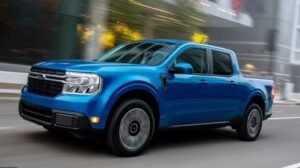
Ford has issued a major recall affecting hundreds of thousands of Maverick pickup trucks due to a serious safety concern that has caught the attention of both drivers and federal regulators. If you own a Ford Maverick, this is an alert you can’t afford to ignore.
In this article, we’ll break down everything you need to know about the recall—what’s causing it, which vehicles are affected, and what you should do next. Whether you’re a current owner or considering purchasing a Maverick, staying informed about this recall is essential.
What Triggered the Recall?
Ford’s latest recall has made headlines across the auto industry. The company announced that over 450,000 Maverick pickup trucks are being recalled due to a critical issue with the battery and electrical systems. According to the National Highway Traffic Safety Administration (NHTSA), the malfunction can result in loss of motive power, increasing the risk of crashes, especially at higher speeds or during busy traffic situations.
The issue seems to stem from a software glitch that affects how the vehicle’s hybrid powertrain control module operates. If left unchecked, this problem can cause the truck to unexpectedly stall or shut off, even while in motion.
This is particularly concerning because many Maverick owners chose the model for its efficiency, reliability, and modern hybrid capabilities. A failure like this undermines not just driver confidence, but also public trust in Ford’s newer hybrid systems.
Which Maverick Trucks Are Affected?
According to Ford, the recall affects Maverick models from 2022 to 2024 that are equipped with the 2.5-liter hybrid engine. These vehicles were manufactured between February 2021 and July 2024, making this one of the largest recalls in the model’s short but successful history.
Key Details:
-
Model Years Affected: 2022, 2023, and some early 2024 models
-
Engines Involved: 2.5L hybrid powertrain
-
Problem Area: Powertrain control module software
-
Potential Risk: Sudden loss of drive power
Owners of these trucks should immediately check their VIN (Vehicle Identification Number) using Ford’s official recall lookup tool or by contacting their local dealership.
Official Response and What You Should Do
Ford has responded swiftly, stating that they will update the control module software free of charge for all affected vehicles. This update can be done either at a dealership or via over-the-air (OTA) updates, depending on the vehicle’s capabilities.
The automaker has also notified all registered owners by mail and provided instructions for scheduling service. However, not all owners may have received the notice yet, so checking your vehicle proactively is highly recommended.
For more in-depth coverage and official statements from Ford, you can read the full story on the Daily Mail here.
How This Recall Impacts Ford’s Brand Image
This isn’t the first time Ford has faced large-scale recalls, but the Maverick’s popularity among younger drivers and urban users makes this particular issue more damaging to the brand’s reputation. The Maverick was initially lauded as an affordable, fuel-efficient, compact pickup that appealed to a wide audience. It filled a unique niche in the market, blending practicality with innovation.
However, repeated technical issues can erode consumer trust, especially in Ford’s growing hybrid and EV lineup. As automakers race toward electrification, reliability becomes a critical selling point, and any lapse can set back both sales and sentiment.
Despite this, analysts suggest that Ford’s quick response and transparency may help mitigate long-term brand damage. The company’s investment in over-the-air software infrastructure is also being praised as a smart way to handle recalls more efficiently in the future.
What Industry Experts Are Saying
Auto safety experts and consumer watchdogs have applauded the NHTSA and Ford for acting quickly before serious injuries or fatalities occurred. So far, no major accidents or deaths have been reported in connection with this malfunction, but several incidents of sudden stalling have been documented.
Scott Smith, an automotive safety consultant, said:
“This recall highlights the increasing complexity of modern hybrid vehicles. It’s a reminder that even top manufacturers like Ford must continually update and monitor vehicle software to maintain safety standards.”
Can You Still Drive Your Ford Maverick?
If your Maverick is part of the recall but hasn’t yet exhibited any issues, you may still be able to drive it safely for short distances. However, Ford and the NHTSA strongly recommend getting the software update as soon as possible to avoid any unexpected power loss while on the road.
For high-mileage drivers or those who frequently drive on highways, the risk is higher. Don’t wait until your vehicle stalls—schedule your repair appointment immediately.
How to Check If Your Vehicle Is Affected
To find out if your Maverick is affected by this recall:
-
Locate your 17-digit VIN (Vehicle Identification Number), usually found on the driver’s side dashboard or inside the door frame.
-
Visit the official Ford recall website.
-
Enter your VIN and check for any active recalls.
-
If your vehicle is included, follow the instructions to schedule service or request an OTA update.
You can also call Ford’s customer support at 1-866-436-7332 or reach out to your local dealership.
Final Thoughts
The recall of hundreds of thousands of Ford Maverick pickup trucks is a major event that affects drivers nationwide. While the issue is serious, Ford’s prompt action and free software updates are key steps toward resolving the problem and ensuring safety.
If you or someone you know drives a 2022–2024 Ford Maverick hybrid, act now. Don’t risk your safety or the safety of others on the road. Check your VIN, schedule a service, and stay informed.
Stay updated with automotive news and safety alerts to make smart driving decisions.