
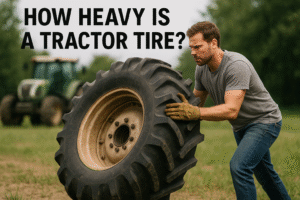
How Heavy Is a Tractor Tire? Everything You Need to Know
When it comes to farming and heavy-duty machinery, one of the most common questions people ask is: how heavy is a tractor tire? While it may sound like a simple question, the answer depends on several factors, such as the type of tractor, tire size, brand, and purpose. Tractor tires are not just giant rubber wheels; they are engineered to support thousands of pounds, handle rough terrains, and provide stability for farming operations.
In this article, we’ll explore the average weight of tractor tires, the factors that affect their weight, why their weight matters, and tips for handling them safely.
Average Weight of Tractor Tires
The weight of a tractor tire varies significantly depending on its type and size:
-
Small Compact Tractor Tires
These are found on smaller tractors often used for lawn care, landscaping, or light farming. A small tractor tire can weigh anywhere from 50 to 200 pounds (23–91 kg). -
Medium-Sized Agricultural Tractor Tires
Commonly used in farming operations, these tires are much heavier, typically weighing between 200 and 600 pounds (91–272 kg). -
Large Tractor Tires (Field or Industrial Use)
Tires on full-sized farm tractors or construction equipment are massive, often ranging from 600 to 1,500 pounds (272–680 kg). -
Extra-Large Tractor Tires (Specialized Machinery)
The biggest tractor tires, such as those used on mining or extra-heavy-duty equipment, can weigh more than 2,000 pounds (907 kg) each.
Factors That Determine Tractor Tire Weight
Several factors influence the weight of a tractor tire, including:
-
Tire Size
The diameter, width, and overall volume of the tire directly affect how much it weighs. Larger tires with deeper treads are significantly heavier. -
Material Composition
Tractor tires are made from multiple layers of rubber, steel, and synthetic materials. High-quality tires with reinforced steel belts tend to weigh more. -
Tread Design
Aggressive tread patterns designed for muddy or rocky terrains require more rubber and, therefore, add to the overall weight. -
Purpose of the Tractor
Farm tractors, industrial tractors, and construction tractors all have different tire requirements. For example, a field tractor tire is designed for stability on soil, while a loader tractor tire needs extra strength to carry heavy loads.
Why the Weight of a Tractor Tire Matters
Understanding how heavy a tractor tire is isn’t just about curiosity—it has real-world implications.
-
Transportation and Handling
Heavy tires require special equipment like lifts or cranes for safe handling. Attempting to move a 1,000-pound tire manually can lead to serious injuries. -
Fuel Efficiency
Heavier tires may impact a tractor’s fuel consumption, especially if the machine is used on soft soil or in tough field conditions. -
Traction and Stability
The added weight helps improve traction, making tractors more effective in plowing, towing, and heavy-duty tasks. -
Maintenance Costs
Heavier and larger tires are more expensive to replace, and transportation costs can also be higher.
Examples of Tractor Tire Weights by Brand
To give you a clearer idea, here are some common examples:
-
A Firestone 420/85R28 Radial Tractor Tire weighs around 350 pounds (159 kg).
-
A Michelin 710/70R42 Agribib can weigh over 650 pounds (295 kg).
-
A Titan 38-inch Tractor Tire may weigh about 500 pounds (227 kg).
-
Extra-large mining tractor tires from brands like Bridgestone can top 2,200 pounds (998 kg).
This variation shows why the question “how heavy is a tractor tire?” needs a more detailed answer depending on the model and use.
Safe Handling and Transportation of Tractor Tires
Since tractor tires are extremely heavy, safety is crucial when working with them. Here are some tips:
-
Use Proper Equipment – Always use forklifts, cranes, or specialized tire handlers when moving heavy tires.
-
Work in Teams – Never attempt to lift large tractor tires alone.
-
Wear Protective Gear – Gloves, steel-toe boots, and safety vests help reduce risks during handling.
-
Follow Manufacturer Guidelines – Each brand provides handling and mounting instructions that should be followed strictly.
Where to Learn More About Tractor Tires
If you’re interested in detailed specifications, tire comparisons, or tractor maintenance tips, you can explore specialized resources like Tractor Addict. This site provides valuable insights into tractor equipment, making it easier to choose the right tire for your needs.
Final Thoughts
So, how heavy is a tractor tire? The answer varies widely—from 50 pounds for small utility tractors to over 2,000 pounds for industrial machinery. The weight depends on size, material, and intended use. For farmers, construction workers, or tractor enthusiasts, knowing the average weight is essential for safe handling, efficient operation, and cost planning.
Whether you’re maintaining a small farm tractor or handling massive industrial equipment, understanding tractor tire weight can save time, money, and prevent accidents.